Gum disease is one of the most common oral health issues, yet it often goes unnoticed until it becomes serious. Because early symptoms can be subtle, many people don’t realize their gums are in trouble until discomfort or visible damage appears. Understanding the early warning signs can help you take action before the problem progresses.
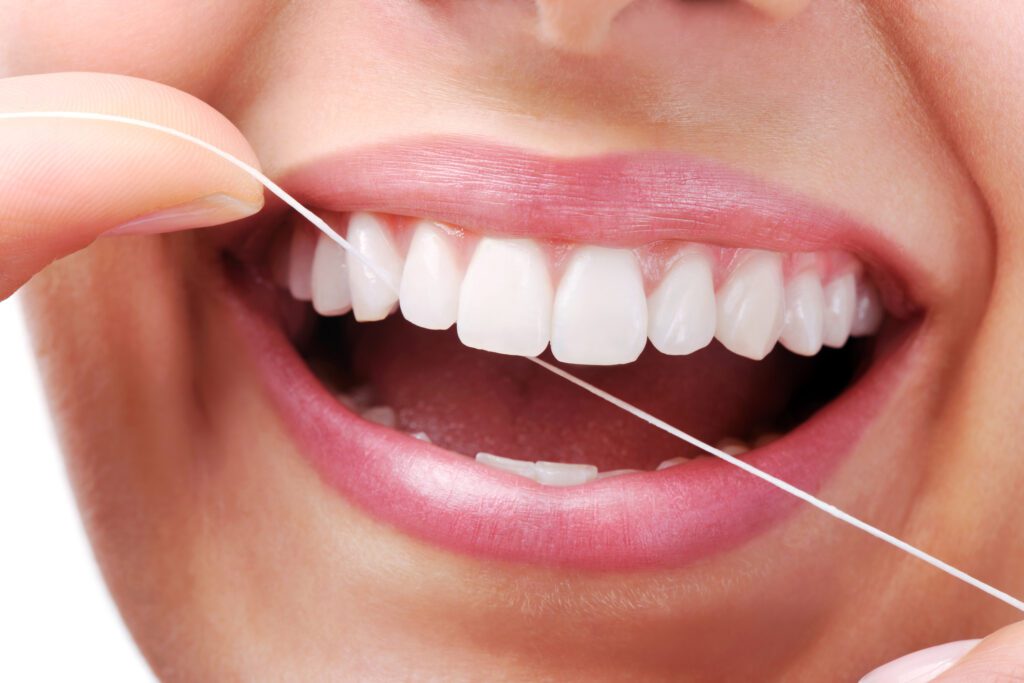
Bleeding During Brushing or Flossing
Healthy gums should not bleed when you brush or floss. If you regularly see pink in the sink, it may be a sign of inflammation caused by plaque buildup. Many people dismiss bleeding as a sign they are brushing too hard, but more often it points to the early stages of gingivitis. Even if the bleeding seems mild, it’s worth taking seriously. When plaque remains on the gumline, the bacteria within it can irritate tissue and trigger an immune response. Over time, this inflammation can lead to more advanced gum disease if not addressed.
Persistent Redness or Swelling
Gums that look puffy, swollen, or unusually red are showing signs of irritation. In their healthy state, gums are generally firm and pink. When inflammation sets in, they may appear darker in color or feel tender when touched. This swelling can interfere with daily activities like eating and brushing and often indicates that bacteria have been present long enough to begin affecting the soft tissue. Ignoring these changes can allow the condition to worsen, increasing the risk of long-term damage.
Bad Breath That Doesn’t Go Away
Occasional bad breath is normal, but chronic bad breath can point to a deeper issue. Bacteria responsible for gum disease release volatile sulfur compounds that cause a persistent unpleasant odor. If brushing, flossing, and using mouthwash don’t resolve it, the smell may be coming from bacteria trapped under the gumline rather than on the surface of the teeth. This type of bad breath often improves only when the underlying gum infection is treated.
Gum Recession or Teeth Appearing Longer
Gums that begin to pull away from the teeth are showing a clear sign of disease. Gum recession exposes more of the tooth surface, giving the appearance that the teeth are growing longer. In reality, the gums are shrinking or detaching. This can increase sensitivity to cold or brushing and can leave tooth roots vulnerable to decay. Receding gums can also create pockets where bacteria thrive, making it easier for the disease to progress.
Increased Tooth Sensitivity
If you suddenly notice that hot or cold foods feel uncomfortable or painful, the issue may stem from gum disease. As gums recede, they expose dentin, the porous layer beneath enamel. This exposure allows temperature changes to reach the tooth’s nerve endings more easily. While many conditions can cause tooth sensitivity, experiencing it alongside bleeding or swelling is a strong indicator that gum health should be evaluated.
Loose or Shifting Teeth
Advanced gum disease affects more than just soft tissue; it can damage the supporting bone as well. As the bone breaks down, teeth may begin to loosen or shift out of position. You might notice changes in the way your teeth fit together when you bite or how your dentures or retainers sit. This stage of periodontal disease requires prompt professional treatment to prevent tooth loss.
Treatment for Gum Disease in Northborough, MA
At Apex Dental, your oral hygiene is our top priority. If you experience red, swollen, or bleeding gums, don’t hesitate to reach out. The longer you wait to seek treatment, the more damage gum disease can cause. Contact our office today to schedule a consultation and learn more about how to protect your bite and smile.