
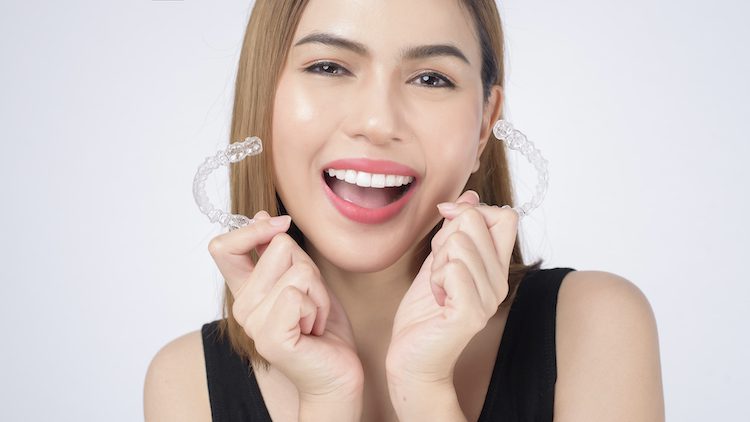
If you’ve ever thought about straightening your teeth without the hassle of metal braces, you’ve probably heard of Invisalign. This modern orthodontic treatment uses a series of clear, removable aligners to gradually shift your teeth into the desired position. It’s discreet, convenient, and becoming more popular every year. The good news is that Invisalign is suitable for a wide range of people, but it’s not a one-size-fits-all solution.
Mild to Moderate Alignment Issues
Invisalign is most effective for mild to moderate dental issues. If you have crowding, gaps, overbite, underbite, crossbite, or open bite, there’s a strong chance clear aligners could help. The aligners are designed to gradually apply pressure to specific teeth and guide them into alignment. Thanks to advances in Invisalign technology, more complex cases can now be treated than when the system first launched. That said, traditional braces may still be the better choice for severe alignment issues, especially when significant jaw repositioning is needed. Your dentist will evaluate your bite and teeth spacing to determine if Invisalign could deliver the results you’re after.
Age and Dental Development
Invisalign is commonly used by adults and teens. Eligibility in younger patients depends on how much their teeth and jaws have developed. For adults, there’s no age limit. Many patients begin treatment well into their 40s, 50s, and even 60s. The key requirement is having healthy teeth and gums to support the movement Invisalign will create. Teenagers must be committed to wearing the aligners for the recommended 20 to 22 hours a day. Invisalign Teen even includes blue compliance indicators to help track wear time, making it easier for parents and dentists to ensure the aligners are being worn as prescribed.
Commitment to the Process
Unlike braces, Invisalign aligners can be removed for eating, brushing, flossing, and special occasions. This is a huge plus for most people, but it also means you need to be disciplined. If you’re not committed to wearing the aligners consistently, treatment won’t be effective. Ideal candidates are those who can maintain good oral hygiene and are unlikely to forget or neglect their aligners. Invisalign also requires regular check-ins with your dentist, usually every 6 to 8 weeks, to monitor progress and receive new aligners. If you’re frequently on the go or tend to forget appointments, you’ll need to factor that into your decision.
Pre-existing Dental Conditions
Before starting Invisalign, your dentist will evaluate your oral health. Issues like untreated cavities, gum disease, or infections will need to be addressed first. Aligners need to be used in a stable oral environment to avoid complications. If you’ve had previous dental work, such as crowns, veneers, or bridges, it doesn’t automatically disqualify you from Invisalign, but it may affect your treatment plan. An experienced provider will customize your approach based on your unique dental history.
Invisalign in Northborough, MA
At Apex Dental, your oral health is our top priority. If you have crooked teeth, your smile and bite could be at risk for damage and decay. Invisalign may be able to help. Contact our office today to schedule a consultation and see if you qualify for clear aligner treatment.