
A dental bridge is a long-term solution for replacing missing teeth, restoring both function and aesthetics. While modern bridges are built to last, they still require consistent care to prevent damage or failure. Just like natural teeth, your dental bridge needs daily attention and healthy habits to keep it strong for years to come. Whether you’ve just had one placed or have had one for a while, there are several ways to help extend its life.
Maintain Excellent Oral Hygiene
The foundation of any dental work is oral hygiene. A dental bridge depends on the surrounding natural teeth (called abutment teeth) for support. Keeping these teeth and your gums healthy is absolutely essential. Brushing at least twice daily with a fluoride toothpaste helps remove plaque, while flossing ensures food particles and bacteria don’t accumulate between the teeth and underneath the bridge.
Using a floss threader or a water flosser can help you clean under the bridge where regular floss might not reach. Ignoring this area can lead to gum disease or decay in the supporting teeth. This ultimately shortens the life of the bridge.
Schedule Regular Dental Checkups
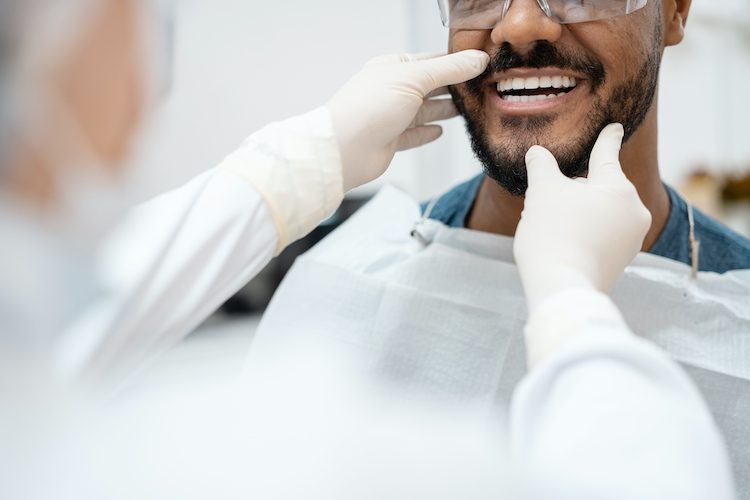
Routine dental visits are another key to extending the life of your bridge. Your dentist will check for early signs of wear, decay, or gum problems. They also perform professional cleanings that reach areas you can’t effectively clean on your own. Early detection of problems often means less invasive treatment and a higher chance of preserving both your bridge and your natural teeth.
Dentists also check the fit and positioning of your bridge during these visits. Over time, your bite may shift, or the bridge may loosen slightly. Small adjustments could help prevent major issues down the line.
Avoid Hard and Sticky Foods
While dental bridges are designed to be strong, they’re not invincible. Chewing hard items like ice, hard candies, or even pens can put excessive stress on the bridge, causing it to crack or dislodge. Sticky foods such as caramel or chewing gum can pull on the bridge and risk loosening it, especially if it’s a traditional fixed bridge. It’s not just about avoiding specific foods. It’s also about being mindful while eating. Chew slowly and evenly, and try not to put too much pressure on the side of your mouth with the bridge.
Address Teeth Grinding or Jaw Clenching
Bruxism, or the habit of grinding your teeth or clenching your jaw, can significantly shorten the life of your dental bridge. This constant pressure wears down both natural and artificial teeth and can even cause the bridge to crack or shift out of place. If you suspect you grind your teeth, talk to your dentist about getting a custom nightguard. These appliances act as a cushion, protecting your bridge and your other teeth from damage.
Watch for Signs of Trouble
A healthy dental bridge should feel natural and stable. If you notice anything unusual, like a change in the way your bite feels, pain in the supporting teeth, or movement in the bridge, don’t ignore it. These are often early signs of a problem that, if caught early, could be addressed without replacing the entire bridge. Also, persistent bad breath or a bad taste in your mouth could indicate food is getting trapped under the bridge or that there’s an infection. Prompt action can help prevent more serious complications.
Live a Tooth-Friendly Lifestyle
Beyond dental care, your overall lifestyle can impact the longevity of your bridge. Smoking, for instance, is known to increase the risk of gum disease, which can compromise the supporting teeth and the bridge. A diet rich in fruits, vegetables, lean proteins, and dairy can support healthy gums and strong teeth. Drinking plenty of water and limiting sugary snacks and acidic beverages will also help maintain a healthy oral environment.
Dental Bridge Care in Northborough, MA
At Apex Dental, we understand the importance of a complete smile. If you have a missing tooth or need an extraction, a dental bridge could help restore your bite and improve your smile. We also offer dental implants and dentures that could benefit your oral health. Contact our office today to schedule a consultation and learn more about your treatment options.